
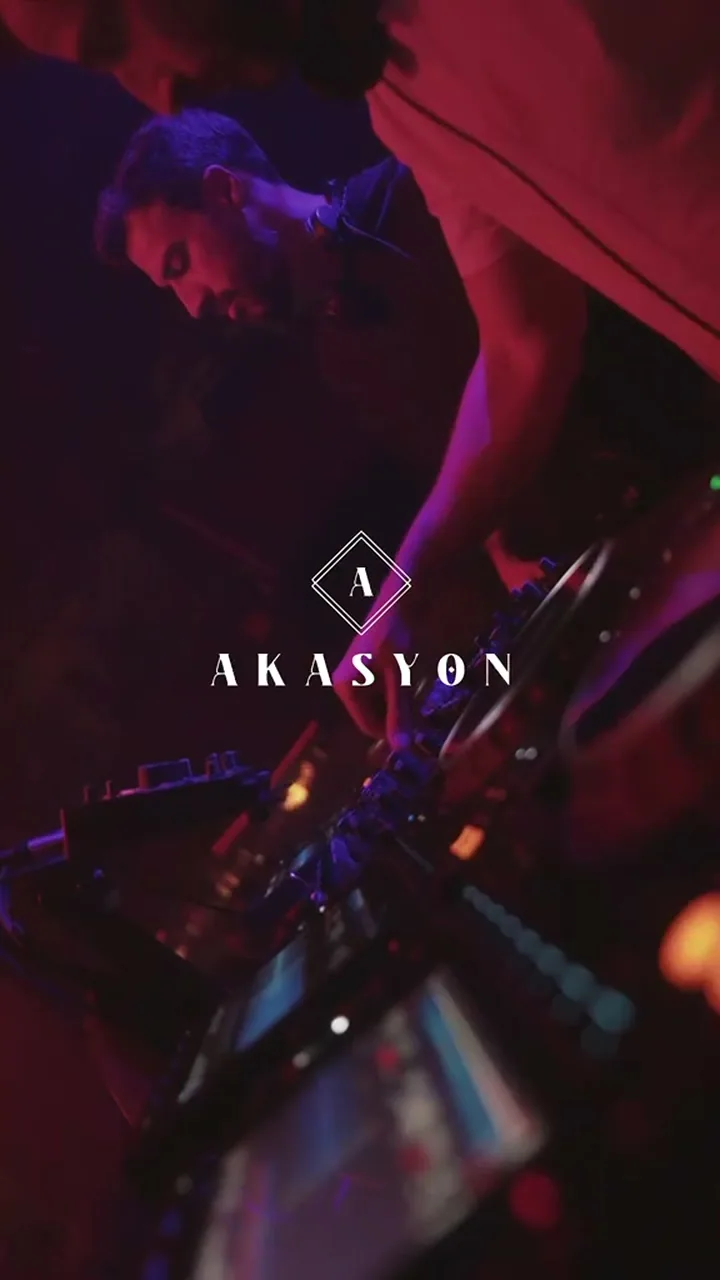
THE SHORT ANSWER
Choose the act whose musical identity fits the room, whose recordings demonstrate real selection and whose preparation is flexible enough to respond to the event. With a duo, listen for genuine interplay: two people should create one journey, not two disconnected sets.
01
Start with the function of the room.
A useful booking decision begins before genre, profile or follower count. What does the room need the artist to do? An opening set should create possibility without spending the night’s energy too early. A peak-time festival appearance needs clarity and scale. A rooftop may need space and colour; an after-hours room can reward patience, risk and deeper selections.
The same artist does not need to sound identical in every setting, but the identity should survive each adaptation. Ask how the act approaches the particular set time, venue, audience and surrounding line-up. A thoughtful answer will reveal more than a generic list of styles.
Look for an artist who can explain what changes from room to room—and what never changes.
02
Listen for an identity, not a genre inventory.
Genre helps a promoter establish compatibility, but it is only the outline. AKASYON moves through electronic music, indie dance, melodic house, tech house and melodic techno. The thread connecting those territories is more important than the labels: percussion, low-end tension, melodic restraint and an atmosphere that develops before it declares itself.
A recognisable identity can also draw from outside the club. Film scores teach pacing and drama. Folkloric music carries rhythm, memory and cultural texture. Classical composition offers structure, tension and release. Music technology makes it possible to translate those influences into a contemporary physical experience without reproducing them literally.
“The best fit is not the act with the longest genre list. It is the one whose choices make sense together.”
03
A duo should create more than two people can create separately.
Two DJs standing in the same booth are not automatically a duo. The real value is synchronicity: one person introduces a rhythm, texture or idea while the other recognises where it can lead. Neither performs in isolation. The set becomes a conversation in which instinct answers structure and one musical memory unlocks another.
Listen to how transitions connect mood, percussion and emotional tone—not only tempo. Watch whether both artists remain engaged when the other is selecting. A convincing duo creates the impression of one responsive system with two perspectives.
04
Room-reading matters more than a perfect pre-planned playlist.
Preparation is essential, but a fixed sequence can become a barrier between the booth and the dancefloor. A well-prepared act arrives with context: knowledge of the event, a broad musical vocabulary, reliable media, clear production requirements and an understanding of the intended role. The precise journey can then be shaped in real time.
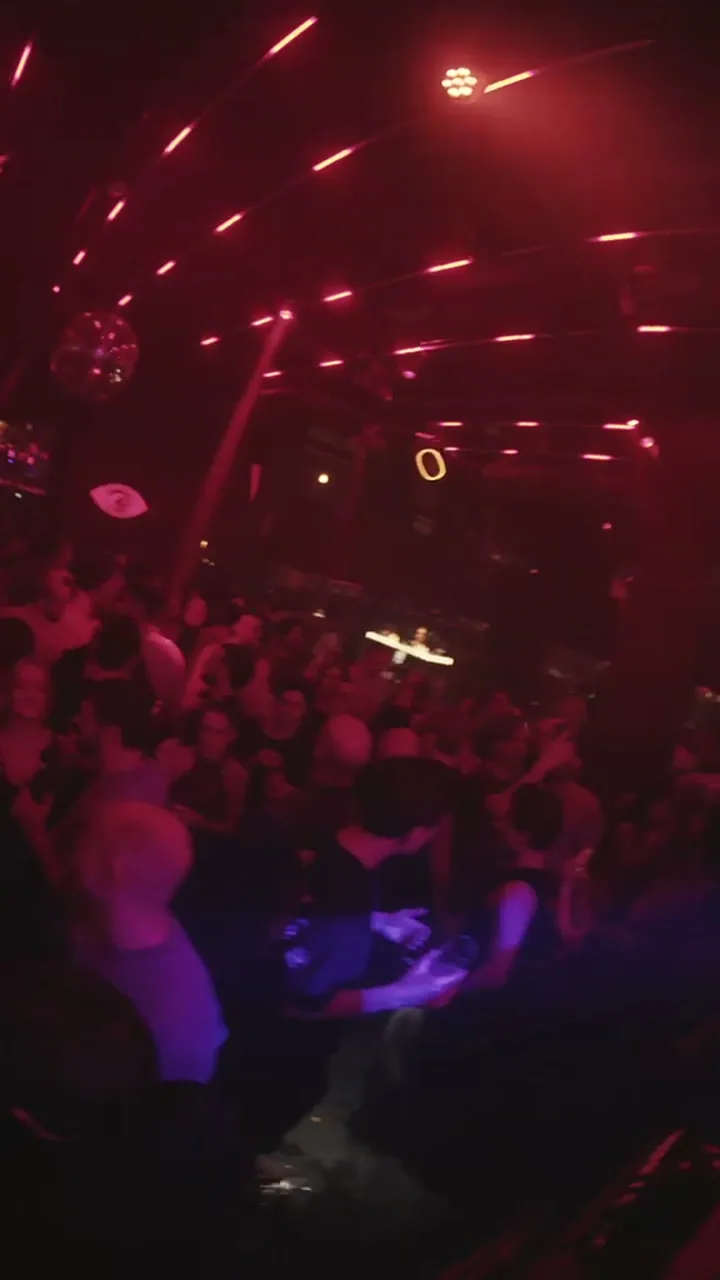
AKASYON’s path through the underground scenes of Madrid, London and New York—including Lula and Burning Man—developed that sensitivity in rooms where every selection is felt immediately. Intimate clubs invite slow tension and close observation. Festivals require a wider gesture. Destination events and rooftops leave room for atmosphere, while after-hours sets can move toward stranger and less expected places.
Scale should not erase intimacy. A large stage and a small room require different energy, but both deserve attention, patience and an honest connection with the people present.
05
Fresh records matter. So do records with a past.
New music gives a set immediacy, but constant novelty is not the same as originality. Vintage selections can carry history, character and emotional recognition. Used with intention, they connect generations on the dancefloor and give new productions a wider context.
For AKASYON, selection is not a competition to find only the latest release. It is a search for relationships: a contemporary electronic record answering an older rhythmic idea, or a forgotten melody finding a new role inside a modern sound system. Familiarity creates unity; the unexpected keeps the room curious.
06
Seven questions to ask before booking.
- What role will the set play?Opening, sunset, peak time, closing and after-hours sets need different architecture.
- Can I hear a complete recorded journey?Short clips show moments. A full mix reveals pacing, patience and selection.
- How does the act adapt without losing its identity?The answer should connect the venue and audience to a clear musical point of view.
- What makes the duo function as a duo?Look for a shared method and real interaction rather than alternating turns.
- What context does the artist need from us?Good preparation includes the line-up, set time, audience, capacity and production arrangement.
- Are the technical and hospitality requirements clear?Accurate riders, punctual communication and agreed logistics protect the event for everyone.
- Does the booking feel right beyond the metrics?Reach can support promotion; musical compatibility is what makes the night coherent.
THE AKASYON PERSPECTIVE
Movement with intention.
AKASYON is built around the moment when intention becomes motion: two perspectives meet, one record answers another and a room of individuals becomes a shared dancefloor. The name carries the energy of action, but its unfamiliar shape leaves space for interpretation—like a word remembered from somewhere that does not quite exist.
We do not want AKASYON to become music performed on autopilot. Growth should never cost intimacy, and adaptation should never become trend-chasing. The objective is to remain unpredictable without becoming inaccessible, emotional without becoming obvious and powerful without relying only on volume or spectacle.
The project is based between Madrid and London, with roots in the underground scenes of both cities and New York and experience extending to Burning Man. AKASYON performs across intimate clubs, festivals, rooftops, destination events and after-hours rooms. In October 2026, the duo joins the confirmed Starlight Festival programme at the Pyramids of Giza; the festival runs 9–10 October and the individual set date and time remain TBA.
07
Quick answers for promoters.
Why book an electronic music DJ duo instead of a solo DJ?
A strong duo brings two musical memories and two ways of reading the room into one continuous performance. The value is not simply having two people in the booth; it is the live exchange between them and the wider range of ideas they can connect without breaking the journey.
What genres does AKASYON play?
AKASYON moves through electronic music, indie dance, melodic house, tech house and melodic techno. Sets can also carry traces of film music, folkloric rhythm and classical structure, translated through contemporary music technology.
What events are suitable for an AKASYON set?
AKASYON performs in intimate clubs, festivals, rooftops, destination events and after-hours rooms. The energy and pacing adapt to the setting, set time, audience and surrounding line-up while the musical identity remains consistent.
Does AKASYON prepare a fixed playlist?
No. Preparation means understanding the event and assembling a broad musical vocabulary, not deciding every transition in advance. The final direction is shaped in real time by the room, the moment and the exchange between both members of the duo.
What information should a promoter include in a booking enquiry?
Include the proposed date, city and country, venue, event format, approximate capacity, set time and length, musical context, production arrangement and an indicative budget. Clear context makes it possible to assess the fit and reply precisely.